Smart Agriculture: How IoT Helps Farmers Increase Crop Yields
2025-03-24 16:56:38 by Admin IMERCY
For farmers, understanding soil conditions and the surrounding environment is key to achieving optimal crop yields. However, conventional farming methods often face challenges such as unpredictable weather, pest attacks, and inefficient use of fertilizers and water. As technology advances, the Internet of Things (IoT) emerges as a solution to help farmers manage their land more intelligently and precisely.
The Role of IoT in Agriculture
IoT technology in agriculture connects, various sensors and automated devices to collect real-time data. These sensors monitor soil quality, air humidity, temperature, and pest activity. With the data obtained, farmers can make better decisions, such as determining the best time for irrigation, adding fertilizers, or controlling pests without relying on excessive chemicals.

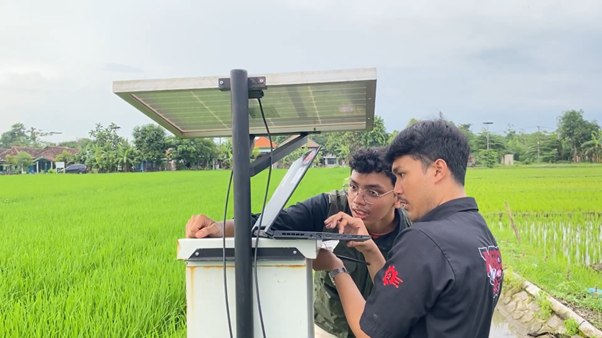
Figure 1. IMPACT (Source: Personal Documents)
IoT Implementation in Smart Agriculture :
IMPACT – One example of IoT implementation is IMPACT, a soil monitoring and pest control system developed by IMERCY. This technology integrates NPK sensors, moisture sensors, and ultrasonic pest repellers to help farmers monitor soil quality and prevent pests without using chemical pesticides. With real-time monitoring, farmers can determine when the soil needs fertilization or if there is a pest threat that requires immediate action.
SQyM (Soil Quality Control Monitoring) – In addition to IMPACT, IMERCY has developed SQyM, an IoT-based soil monitoring system that measures nine essential parameters, including nitrogen, phosphorus, potassium, conductivity, humidity, and soil pH. Using solar energy and connected to a real-time database through an ESP32 microcontroller, SQyM helps farmers understand soil conditions in depth. With the added feature of an ultrasonic pest repeller, this system also protects crops from pests that could reduce yields.
The Benefits of IoT in Agriculture
Implementing IoT in agriculture offers several advantages:
Real-time monitoring, allowing farmers to access accurate data on soil and weather conditions instantly.
Resource efficiency, optimizing the use of water, fertilizers, and energy while minimizing waste.
Reduced risk of crop failure, as farmers can take early preventive measures against pests or unfavorable soil conditions.
Sustainable agriculture, with minimal use of chemicals, making farming more eco-friendly.
IoT is not just a technological advancement—it is a game-changer in modern agriculture. With innovations like IMPACT and SQyM, farmers can make smarter decisions, save resources, and protect their crops more efficiently. This doesn’t just increase productivity; it also supports sustainable farming and a healthier environment. As technology keeps evolving, IoT will play an even bigger role in helping farmers overcome challenges and grow more with less—and with IMERCY we can shaping the future of agriculture for the better.
By : ‘Akiqotus Syahriyah_IoT Engineer
Recent Posts

From Peel to Power: Optimizing DSSCs with Betacyanin Extract
2026-08-24 20:19:00