SIGAP PPK ORMAWA Team Holds Socialization and Training on IoT, Solar Photovoltaic, and Vertical Crab House in Tanjangawan
2026-08-05 09:36:27 by Scientific Writer
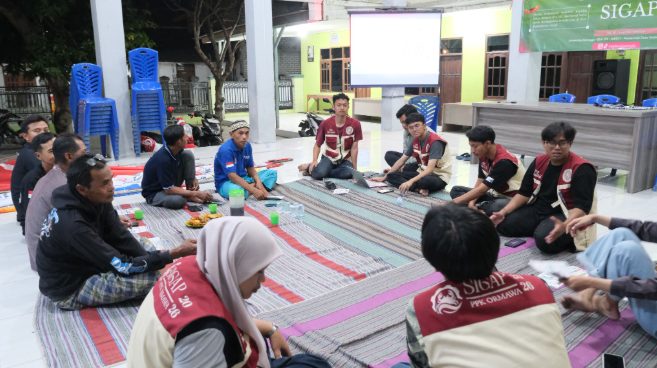
The training of vertical crab house integrated Internet of Things (IoT) and solar photovoltaic was held at the Tanjangawan Village Hall on Saturday (08/01/2026) and was attended by crab farmers from the Smart Crab Farming group in Tanjangawan Village and SIGAP’s team. Prior to the training, SIGAP’s team had already installed a Vertical Crab House system integrated with IoT and solar photovoltaic at Mr. Sukaeri's pond. During the event, participants were provided with printed guidebooks containing the Standard Operating Procedure (SOP) for the Vertical Crab House, IoT system for measuring water parameters, and the maintenance of the solar power system. SIGAP’s team Emmanuel and Fahri was explained the preparatory steps for cultivation using the Vertical Crab House, including the crab quarantine process, water quality control, initial crab weight measurement, daily maintenance, and feeding procedures.
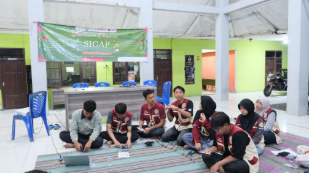
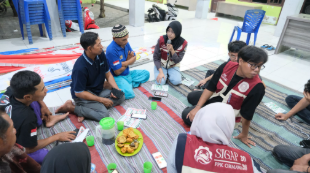
Fig 2. IoT and solar photovoltaic system explanation
Firbi Ariel with ‘Akiqotus Syahriyah was explained the Standard Operating Procedure (SOP) for the maintenance and use of the Internet of Things (IoT) system. This IoT technology is integrated with sensors that measure water temperature, salinity, and pH, installed along the circulation piping of the Vertical Crab House. The sensor readings are displayed on the digital dashboard of the SIGApp application, which farmers can access from home. The material covered included the features of the IoT system, how it works, its main components, and how to use the application. Firbi also explained the SOP for checking devices, cleaning sensors, and performing simple sensor calibration.
Move to the last session, a technical explanation of the solar photovoltaic system was explained by Brian. The solar photovoltaic system supports the operation of the Vertical Crab House by helping to supply power to the system. Brian explained the specifications of the components, system maintenance procedures, and periodic inspections. SIGAP’s team also encouraged residents to regularly clean the solar panels to prevent dirt buildup that could block sunlight absorption.
The training on the Vertical Crab House, Internet of Things (IoT), and solar photovoltaic systems reflects the implementation team's commitment to ensuring the sustainability of the SIGAP program in Tanjangawan Village. Beyond installing the systems, residents were also equipped with the knowledge and understanding needed to operate them independently. The implementation team hopes this program will continue and help improve the economic well-being of the Tanjangawan community, particularly crab farmers, through a more controlled and modern cultivation system. Tanjangawan Village is also expected to become a self-sufficient village that serves as a model for modern aquaculture technology in surrounding areas.
Author: Putri Andini, Nanotechnology Engineering 2024
Recent Posts

From Peel to Power: Optimizing DSSCs with Betacyanin Extract
2026-08-24 20:19:00